
On a Mission to Empower Creative Communities
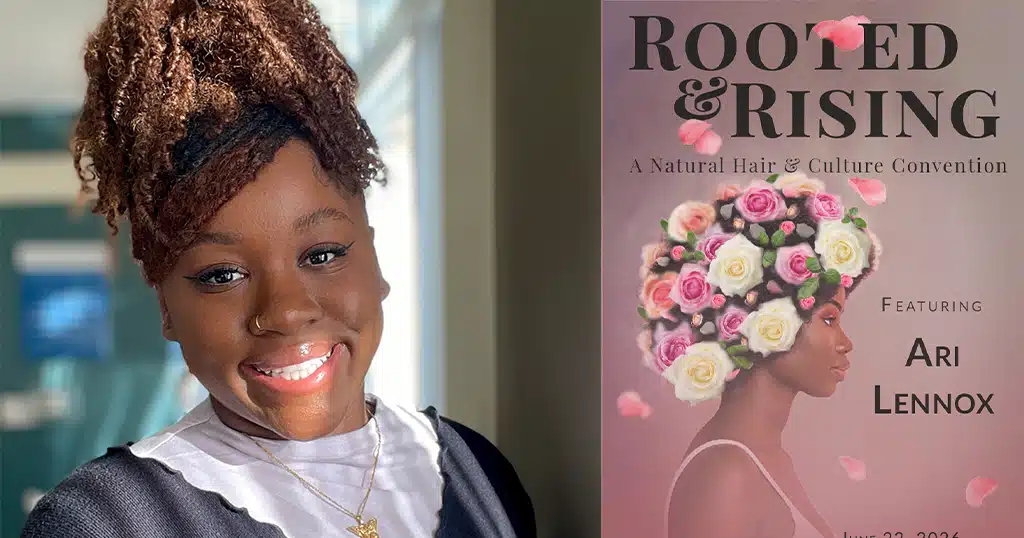
Before entering our Web Design program, you had a Bachelor’s in Psychology. What was it about the design world that drew you in?
I’ve come to realize that I’m a people person in a non-traditional sense. I may not be the person who instantly wins over a room, but I am very observant of what works, what doesn’t, and how people respond to the world around them.
Psychology gave me a foundation for understanding how and why people respond to their environments, and how those environments can shape their thoughts, feelings, and behaviors.
A mentor helped me realize that psychology and design are deeply connected. If you can understand how people may respond to something, you can use design as a form of communication for anyone who comes in contact with your work. I started to see design as a way to communicate, support, and even help people without always needing to be in the same room with them the way a counselor or therapist might. Because I already felt moderately confident in my creative abilities, design began to feel like a natural next step.

Outside of Sessions, you’re a board member with WHRO Public Media, a visual arts instructor and you’ve done design work for 48in48, which connects designers with non-profit orgs. What was it about these communities and initiatives that called to you?
Being part of these organizations and initiatives has been a meaningful way for me to find my place in the community while also being of service to others. It is important to me that people have access to resources that can improve their overall quality of life.
With WHRO, that means supporting access to information and educational resources regardless of socioeconomic status or other barriers. As a Visual Arts instructor at Tidewater African Cultural Alliance I have the opportunity to support and motivate the next generation of artists in an underserved community. Some of those students may later realize they are interested in web design, graphic design, illustration, or other creative fields.
Even before I started my web design education, I noticed a real need for digital design support in the nonprofit space. That made 48in48 feel like a natural fit because I was able to use what I had learned to support organizations doing meaningful work. People deserve access to information, and that includes websites that are clear, accessible, and easy to navigate, especially when someone is looking for help or resources during a time of need.

How does your knowledge of psychology and web and visual design help you to contribute to communities like these?
My education in web and visual design has supplemented my background in psychology and helped me develop a hybrid understanding of human-centered thinking and design. In the community spaces I’m part of, I’m able to think deeply about how something might be received, not just how it looks.
For example, when I create a project plan for my visual arts class, I can apply some of the same techniques and theories from visual design to the projects we do with students. I consider how they may respond based on previous lessons, their interests, and the cues I notice in class. I pay attention to their body language, energy, and feedback, and I use that information to shape future project ideas.
My psychology background helps me think beyond aesthetics. I’m not only asking, “Does this look good?” I’m also asking, “How will this benefit the audience? How will it make them feel? Is it clear, useful, and meaningful?” That mindset helps me create work that is both visually strong and intentionally designed for the people it serves.
What specific skills or concepts that you learned at Sessions have been the most valuable to your professional toolkit?
My HTML/CSS I and Photoshop I courses have been some of the most valuable to my professional toolkit. They pushed me outside of my comfort zone and challenged my resilience. It is one thing to be able to make something look nice on the surface, but these classes showed me how to build and refine creative work from the inside out.
HTML and CSS I helped me better understand the structure behind web design, while Photoshop strengthened my ability to create, edit, and present visual concepts with more intention. Together, these courses helped me become more confident in both the technical and creative sides of design.

You’re juggling a lot of different projects and responsibilities as a fully online student! What strategies or systems do you rely on to maintain your focus and keep everything moving forward?
Calendars, notebooks, reminders, and a healthy fear of failure—jokingly, but also truthfully—help keep me focused. The more I have learned throughout my program, the more motivated I have become to share those skills in different spaces. That motivation is part of how I found myself juggling so many projects and responsibilities.
I want to see my goals come to fruition, and that pushes me to stay organized. At the same time, I know I can’t rely on memory alone, so I make it a point to put important deadlines, meetings, and tasks into my calendar or phone reminders. I also write a lot of notes for ideas, goals, and project plans so I can keep my mind clear. Most importantly, I try to commit to opportunities that make sense and align with my personal and professional goals.
You’re so close to graduation now. What are your career plans, post-graduation?
Post-graduation, I would love to work with nonprofits, community-based organizations, or mission-driven companies to support their visual and digital design needs. That could include web design, graphic design, branding, digital content, or helping organizations make their online presence more accessible and engaging.
I am also exploring internship opportunities and entry-level design roles that will allow me to gain more professional experience, continue building my portfolio, and grow as a designer. My goal is to keep developing work that combines creativity, strategy, and a strong understanding of the people it is meant to serve.
To learn more about Serena’s work, visit her Behance, LinkedIn, or Instagram pages. To learn more about Associate Degree programs at Sessions, visit our current degree listings.

Jessica is the Lifecycle & Content Manager at Sessions College. Whether she is producing live online events, managing the Discord community, or designing helpful email communications, her focus is always on enhancing the student experience. Read more articles by Jessica.
RECENTLY ON CAMPUS


