
Online Basic Typography Course
30 hours
4221: Fundamentals of Typography
Learn the fundamentals of letterforms and typefaces
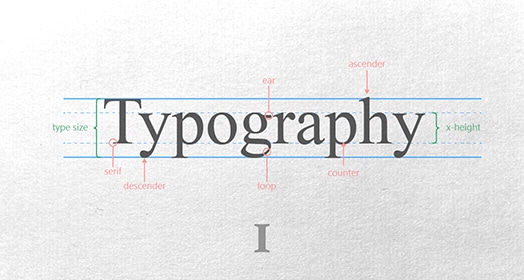
Typography is what sets designers apart from other artists. In visual communication, typography must be integrated (every last loop, bowl, and descender) into a total design. In this online basic typography course, you'll explore the anatomy of the letterform. Working with a design pro, you'll learn how to classify typefaces and use them creatively. Understanding the fundamentals of typography will give your work power, eloquence, and beauty.
Course At A Glance
Course Features
- 100% online
- Project-based
- Instructor-led
- Study at your own pace
- Complete this course in 3-4 weeks
Instructor(s)
The course is taught by the following instructor(s):
 Dr. Tamara Pavlock
is a designer dedicated to inspiring learning, art and creative thinking, and student success.
Dr. Tamara Pavlock
is a designer dedicated to inspiring learning, art and creative thinking, and student success.LEARN MORE
Take this course as a standalone or as part of the following program(s):
Course Projects
The Language of the Letterform
Did you know that letters have shoulders, arms, and ears? In the first lecture, you'll jump right into the fundamentals, looking at the historical origins of typography and learning to identify the component parts of letterforms. You'll explore the applications of typography through case studies on two professional typographers: one designs type, and the other designs with type. You'll also look at contemporary typefaces and their uses.
Type Classification
This week, we will embark on a trip through the 12 ATypI categories of typeface. Serif or sans serif? Venetian or Glyphic? You'll learn how to identify a typeface by its defining characteristics, and choose the right "face" for your project.
Quirky and Loving It
Our final lecture explores the theatrical aspect of the display typography used in posters, advertisements, and online. You'll take a look at the emotion, drama, or whimsy a display typeface can bring to a project, looking at the work of leading designers over the years.
Sample Student Work
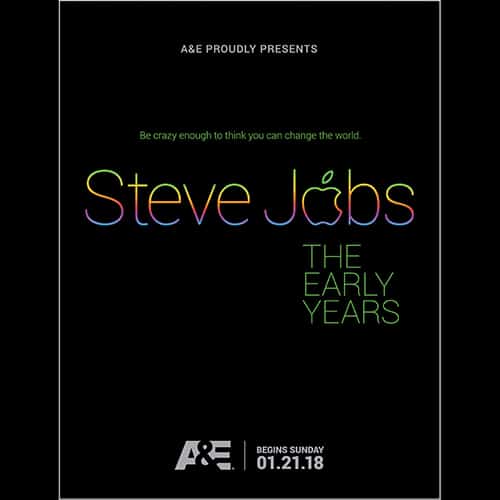 by Lynne Adams
Course Outcomes
What Are The Course Projects?
Creative and practical projects explore type research, type classification, page layout, and expressive typography.
What Software or Supplies Do I Need?
- Computer with Internet connection.
- Adobe Illustrator and Adobe Photoshop or equivalent programs.
- Basic experience in the above software.
- Basic drawing materials (pencil, paper) and ability to scan or photograph sketches.
What Will I Learn?
Students in this course can expect to learn to:
- Develop an understanding of the basic terminology of typography and the historical origins of typographical terms and concepts.
- Identify classic and contemporary typefaces and their use by modern designers.
- Analyze a letterform, identifying its distinctive features and anatomical elements.
- Develop a basic proficiency in identifying and classifying type by looking for the main features in a typeface.
- Identify the 12 ATypI categories of typeface by their characteristic elements.
- Use type categories and characteristics to select typefaces and structure text on a page.
- Select and manipulate type to depict a concept or mood.
- Develop an understanding of the applications of display typography and expressive applications of typography in print and on screen.
- Create a type composition that represents a theme typographically.
Getting Started
Course Registration
- Enroll today, start tomorrow
- Study at your own pace
- Complete within 3 months
| Course Tuition and Fees | |
|---|---|
| Tuition | $619 |
| Registration Fee* | $50 |
| Total Course Price | $669 |
Registration fees are nonrefundable after 5 days from enrollment. All tuition includes a digital materials fee for course content.
Course Registration Form
To register for this course, use the form below to enter your information and desired start date. An Admissions Advisor will contact you to arrange payment and provide you with an Enrollment Agreement.
Frequently Asked Questions (FAQ)
What Are The Courses Like?
Our courses are project-based. There are no set logins, so you can study at your own pace. In each course you’ll complete a series of lectures and projects designed to stretch your creative skills.
How Much Time Do I Need?
This course can be completed in 30 hours or less. You’ll have three months from enrollment to complete the course studying at your own pace. Extensions are available for those who need more time.
Who Are The Instructors?
Our courses are developed and taught by our faculty of professional artists, designers, and photographers. You’ll learn in-demand skills, get feedback on your work, and build a portfolio of creative work.
Is Sessions College accredited?
Yes. Since 2001, Sessions College has been accredited by the Distance Education Accrediting Commission (DEAC). The Distance Education Accrediting Commission is listed by the U.S. Department of Education as a recognized accrediting agency and is recognized by the Council for Higher Education Accreditation (CHEA).