Online Design History Course
4019: The Study of Graphic Design
Infuse your projects with a knowledge of design history
Professional designers make choices informed by the present and the past. In this online design history course, you'll explore design movements from the early 20th century through today and gain experience in research, idea-building, and production of creative concepts. Working with an experienced art director, you'll learn how to use historical knowledge and cultural awareness as a springboard for your contemporary design projects.
About This Course
Project-Based Learning
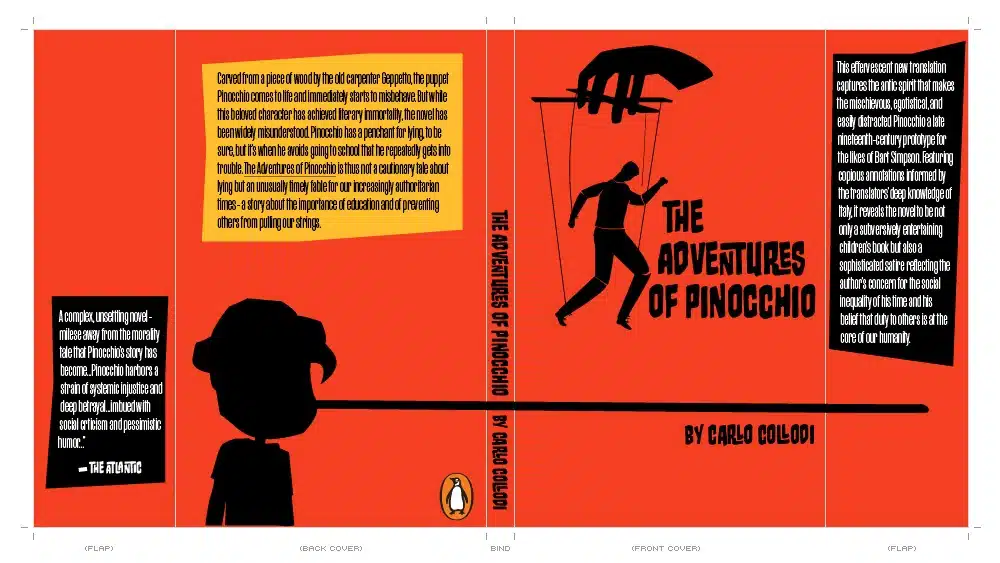
This course will challenge you to research professional practices and historical trends in design show the inspiration of these influences in a design project.
What Skills Will I Develop?
Students in this course can expect to learn to:
- Appreciate the role of research and history in today's graphic design world.
- Identify the origins of modern graphic design including Art Nouveau and other early 20th-century movements, artists, and designers.
- Identify major graphic design genres and their historical foundations including poster, book, magazine, and album design.
- Identify historical contributions to typography and to niche design genres.
- Effectively research specific graphic design movements and use them as design inspiration.
- Create an inspiration board that reflects a specific topic and movement.
- Identify methods for researching design projects and identifying cross-cultural differences.
- Use case studies to identify research and influence methods used by today's designers.
- Emulate a historical designer through research and completion of a detailed design project.
What Software and Supplies Do I Need?
- Computer with Internet connection.
- Microsoft Word or equivalent application.
- Adobe Photoshop and Illustrator or equivalent programs
- Basic experience in the above software.
Course Instructor(s)
The course is taught by the following instructor(s):

Dr. Tamara Pavlock is dedicated to inspiring learning, art and creative thinking, and student success. Tamara has over 20 years of experience as an Art, Graphic Design and Education Instructor, Higher Education Department Director and Associate Dean, Creative Director, Print and Production Specialist.
Course Outline
History and Timeline
The course begins with an exploration of the importance of research in the graphic design field. You'll learn why research is instrumental to good design, and explore historical art movements, starting with Art Nouveau. Movements and key artists are examined through the 20th century, and visual parallels are drawn between art movements.
Fields in Graphic Design
Graphic design is a large field, with numerous sub-fields and niches. You will explore major areas, such as poster, book, magazine, and album design, as well as smaller niches such as stamp, currency, and ticket design. We will analyze historical design trends and inspirations, and their effect on modern pieces. Past and present magazine covers illustrate how art movements affect design.
Research and Inspiration
Finally, having accrued inspiration amongst a host of interesting art movements, you will learn how to apply that inspiration to current projects. Research is an integral aspect of graphic design, and cross-cultural research is of particular importance to avoid embarrassing gaffs. The course will wrap up with case studies of research-intensive projects and peeks into top designers’ processes.
Frequently Asked Questions (FAQ)
How Do The Courses Work?
Our Professional Certificate courses are project-based and instructor-led. In each course you’ll complete a series of lectures and projects designed to stretch your creative skills. The courses are delivered on a flexible schedule with no set-logins or Zoom meetings. You can study when you want, provided you complete your program by the assigned deadline.
Who Are The Instructors?
Our courses are developed and taught by our industry-leading faculty of creative professionals. This means that you’ll learn in-demand skills, get feedback on your work, and build a portfolio of creative work. View our Student Gallery for featured student projects
When Can I Start?
You can enroll in this course on an individual basis or as part of a Professional Certificate program. Professional Certificate programs start every month on the first of the month. With rolling admissions, you can start as soon as you complete Orientation.
Explore Professional Certificate Programs: Graphic Design | Web Design | Multimedia | Digital Arts | Marketing Design | Fine Arts
How Do I Register?
To register for a Professional Certificate program, complete our program application. To register for this course on an individual basis, please contact our admissions team at admissions@sessions.edu. An Admissions Advisor will contact you to setup your enrollment.
| Course Tuition and Fees | |
|---|---|
| Tuition | $619 |
| Registration Fee* | $50 |
| Total Course Price | $669 |
Registration fees are nonrefundable after 5 days from enrollment.
Is Sessions College Accredited?
Yes. Since 2001, Sessions College has been accredited by the Distance Education Accrediting Commission (DEAC). The Distance Education Accrediting Commission is listed by the U.S. Department of Education as a recognized accrediting agency and is recognized by the Council for Higher Education Accreditation (CHEA).